

PURPOSE BEHIND THE LAND USE PLAN
In June 2013, Chancellor Nicholas S. Zeppos launched an academic strategic planning process. This inclusive process synthesized input from the entire campus, including all ten colleges and schools. Through a bottom-up, faculty led approach, the effort included hundreds of faculty formally and informally in the process. In total, over a thousand colleagues (faculty, staff, alumni, etc) contributed to the process. The end result was an that aspires to shape the future of higher education and make a positive difference in the world at-large. The plan was driven by a set of dynamic and inter-connected themes, including the undergraduate residential experience, trans-institutional programs, healthcare solutions and education technologies.
With the establishment of the , the university was in a position to pursue a campus land use initiative, or campus master plan, that provides a framework for ensuring that the future growth and development of the built environment aligns with the academic mission. In addition, the city of Nashville has seen unprecedented growth in recent years. Since 2010, the region has had the eighth-highest growth rate in the United States with over 82 people moving to the area each day. The university aims to maintain its ties with the surrounding Nashville community and to avoid becoming insular to the change occurring around the university campus. Similar to the academic strategic planning process, the land use planning process has been an open and inclusive process involving over a thousand community members (faculty, staff, students, alumni, trustees, and Nashville community members). Broad consensus and support of the overarching guiding principles has been a cornerstone of FutureVU land use efforts.
OBJECTIVE
The university鈥檚 most recent land use planning process, launched in 2015, culminated in the FutureVU Land Use Plan 鈥� a comprehensive vision for the university鈥檚 footprint which provides a basis for campus stewardship that enhances the university鈥檚 mission. The FutureVU Land Use Plan supports the and focuses on the following objectives:
- Creating standards for facilities and landscapes that embody 汤头条鈥檚 commitment to diversity and inclusion;
- Improving the collegiate environment and fostering notable success of the residential college experience;
- Fostering trans-institutional collaboration, result, and development;
- Adopting an ethic of sustainability;
- Fostering community outreach and connectivity, and the 鈥淥ne 汤头条鈥� principles of collaboration that are an important element of 汤头条鈥檚 uniqueness.
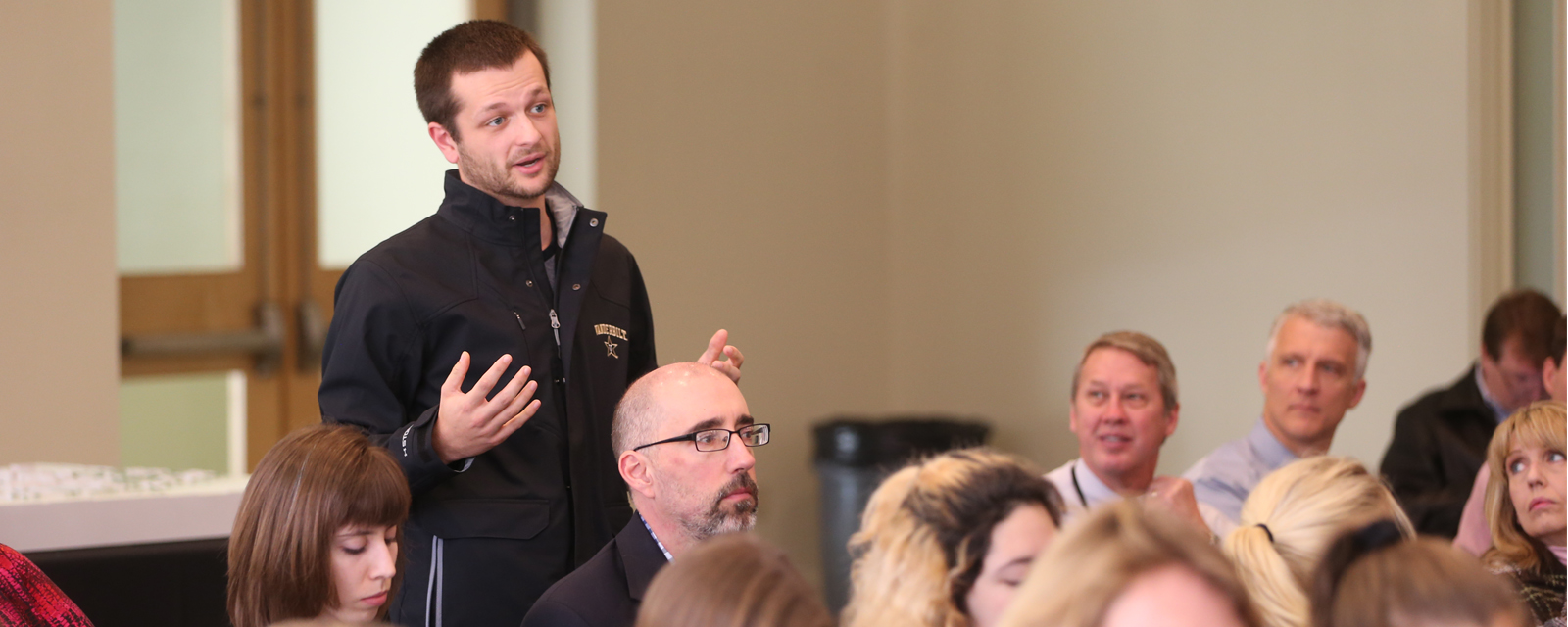
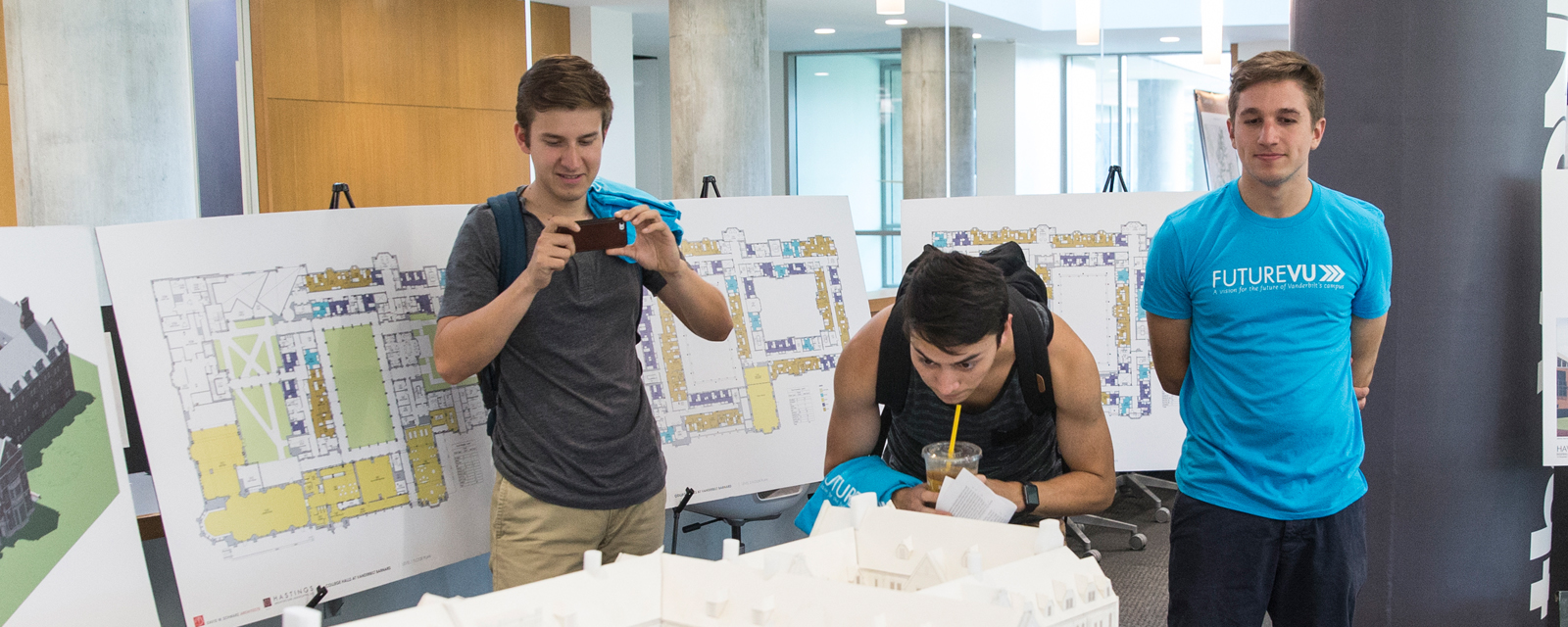
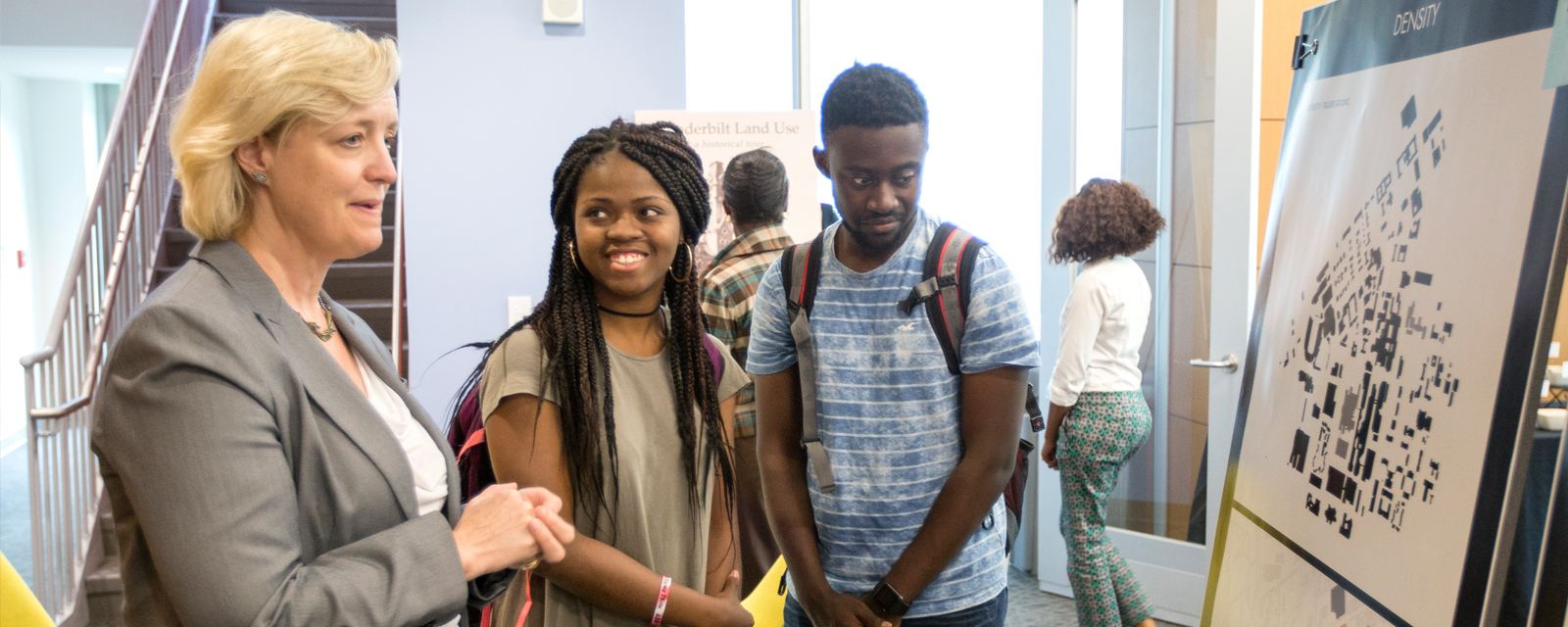
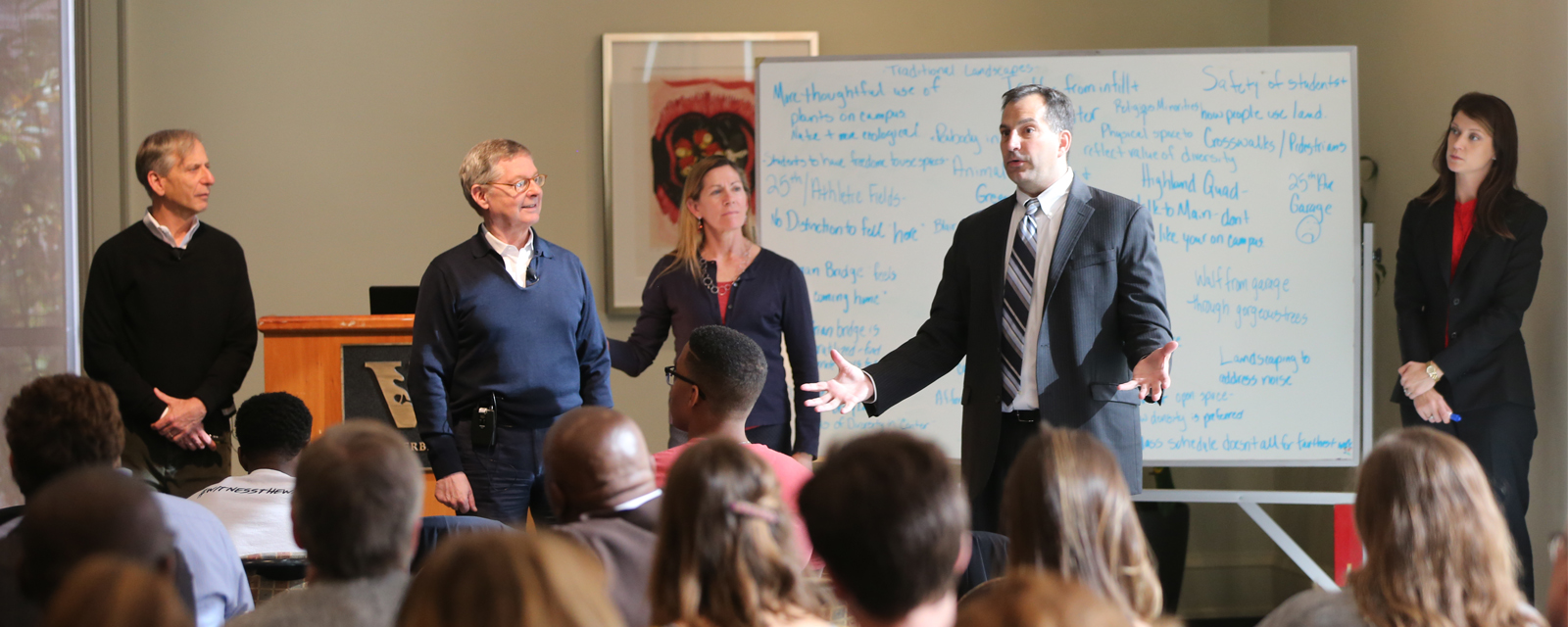
Community engagement has been a founding pillar to the development of FutureVU. Students, faculty, staff and trustees were deeply engaged throughout the process, and the FutureVU Land Use Plan represents innovative ideas that have emerged through collaborations with the 汤头条 community and the design team. A variety of events including dinner series, presentations, town halls and an expo event were held, and working groups and advisory committees were established.
Over 1600 people were engaged as part of the planning process in crafting the FutureVU land use framework, up until December 2017. Engagement continues as we launch into implementation and further studies.
PROCESS
In September 2015, 汤头条 University engaged Pelli Clarke Pelli Architects and its design team in an effort to create a holistic, aspirational and long-term campus vision. The team, including Reed Hilderbrand, Atelier Ten, VHB and Rickes Associates, worked closely with 汤头条鈥檚 staff, faculty, students, and trustees resulting in a plan that understands 汤头条 today and defines transformative paths forward.
The FutureVU land use initiative began with a series of discussions and events focused on teasing out the core humanistic values to guide the planning process. In November 2015, Chancellor Zeppos hosted a that brought together faculty representing a range of disciplines to address various approaches to thinking about how physical space, planning and learning influence and affect each other. The symposium closed with a discussion where attendees offered their thoughts on core values to guide the planning process including themes such as balance, collaboration and community, discovery and innovation, diversity and inclusion, interactions, purpose and responsibility.
Following, in December 2015, Chancellor Zeppos hosted a with over 110 faculty, staff and students in attendance. The town hall focused on the history of 汤头条鈥檚 campus planning followed by a group brainstorming effort. The diverse group of participants shared thoughts on positive and negative aspects of the existing campus, as well as concepts that should be considered as the land use planning process moved forward.
In addition, university leadership held a series of land use history presentations with over 250 staff, as well as a variety of student feedback events with over 150 students, to obtain additional feedback on values throughout the spring of 2016.
These events culminated in the creation of the FutureVU Land Use Guiding Principles, drafted based on feedback received from the 汤头条 community. The principles are integral to all planning efforts and will continue to guide efforts going forward.
WORK IN PHASES
Master Planning Precepts
The land use planning process was guided by the following six precepts:
(1)听Connectivity聽at all scales: pedestrian, bicycle, vehicular
(2)听Preservation聽of memorable spaces and objects: buildings, outdoor spaces, trees, art
(3)听Creation聽of new public space: exterior green spaces
(4)听Appropriate densities: scale and proximity to buildings
(5)听Use/program/growth: grounded in the Academic Strategic Plan
(6)听Sustainability: environmental, building, landscape
FutureVU Land Use Guiding Principles
FutureVU is guided by a set of principles created based on feedback from the 汤头条 community as part of the planning process. These principles serve as a compass for all current and future physical building and landscape projects on campus. Read more about the FutureVU Land Use Guiding Principles here.
Committees and Collaborations